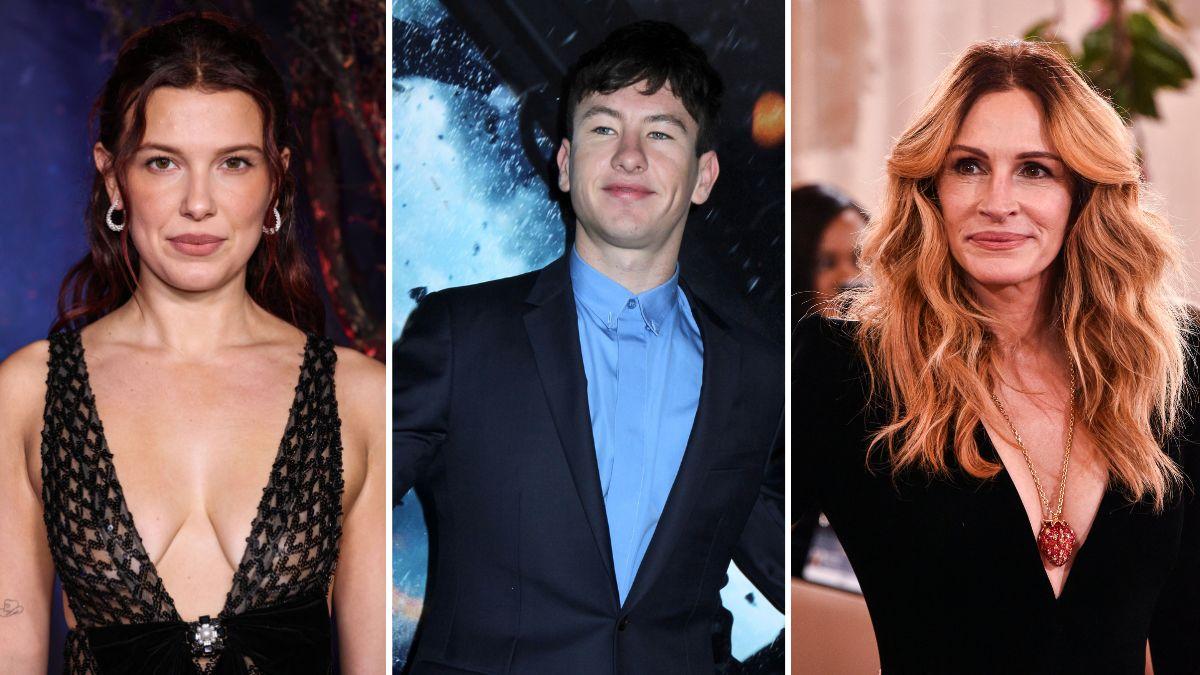
The spotlight doesn’t just illuminate talent—it magnifies every imperfection, real or imagined. For A-list celebrities, public adoration often comes hand-in-hand with vicious trolling, much of it focused on their appearance. From weight fluctuations to facial features, no detail escapes scrutiny. Behind the red carpets and paparazzi flashes, many top-tier stars have endured years of public humiliation, cyberbullying, and body-shaming that would cripple most people.
This isn’t tabloid gossip. It’s a systemic issue rooted in toxic beauty standards, amplified by social media, and sustained by a culture that treats celebrity looks as public property. And now, more stars than ever are speaking out—not for sympathy, but to expose the psychological damage of being relentlessly mocked for how they look.
The Unseen Cost of Fame: When Beauty Standards Become Weapons
Hollywood has long idolized a narrow definition of beauty: symmetrical faces, lean bodies, and ageless skin. But when stars deviate—through aging, weight gain, or simply personal style—they become targets.
Take Lizzo. The singer and body positivity advocate has used her platform to challenge fatphobia, yet she still faces a relentless barrage of cruel memes and comments. “People say I’m ‘disgusting’ or ‘too big’ to wear certain clothes,” she revealed in a 2023 interview. “But I’m not dressing for them. I’m dressing for me.” Still, she admitted the hate takes a toll: “I’m strong, but I’m human. Some days, the comments make me cry.”
The irony? Many of these stars are ridiculed for changes that are completely natural. Chrissy Teigen faced wave after wave of trolling during her pregnancies, with commenters mocking her stretch marks and weight gain. “They called me ‘whale’ and ‘beached hippo,’” she said. “All while I was bringing life into the world.”
These attacks aren’t isolated incidents. They’re part of a pattern—where women, especially women of color, are disproportionately targeted for their bodies, skin tone, and features that don’t conform to Eurocentric ideals.
Men Aren’t Immune: The Pressure to Be “Perfectly” Masculine
While women bear the brunt of appearance-based trolling, male celebrities are far from exempt. The pressure to maintain a hyper-masculine, chiseled physique has led to widespread body dysmorphia and mental strain.
Chris Hemsworth, known for his role as Thor, opened up about the mental health cost of playing a superhero. “You’re expected to look like a god every single day,” he said. “When I took time off, put on a little weight, suddenly I’m ‘out of shape’ or ‘ruined the character.’”
Even actors praised for their looks aren’t safe. Timothée Chalamet, despite being hailed as a fashion icon, has faced bizarre and obsessive online scrutiny. Trolls have mocked his thin frame, calling him “anorexic” or “malnourished,” while others fabricate conspiracy theories about his health. “It’s surreal,” Chalamet said. “People feel entitled to diagnose me based on a red carpet photo.”
For men, the trolling often masquerades as “concern,” but the intent is the same: to shame, control, and reduce complex individuals to caricatures of their appearance.
Social Media: The Amplifier of Cruelty Before Twitter, Instagram, and TikTok, celebrity criticism was largely filtered through journalists and editors. Now, anyone with a Wi-Fi connection can launch a global smear campaign with a single post.
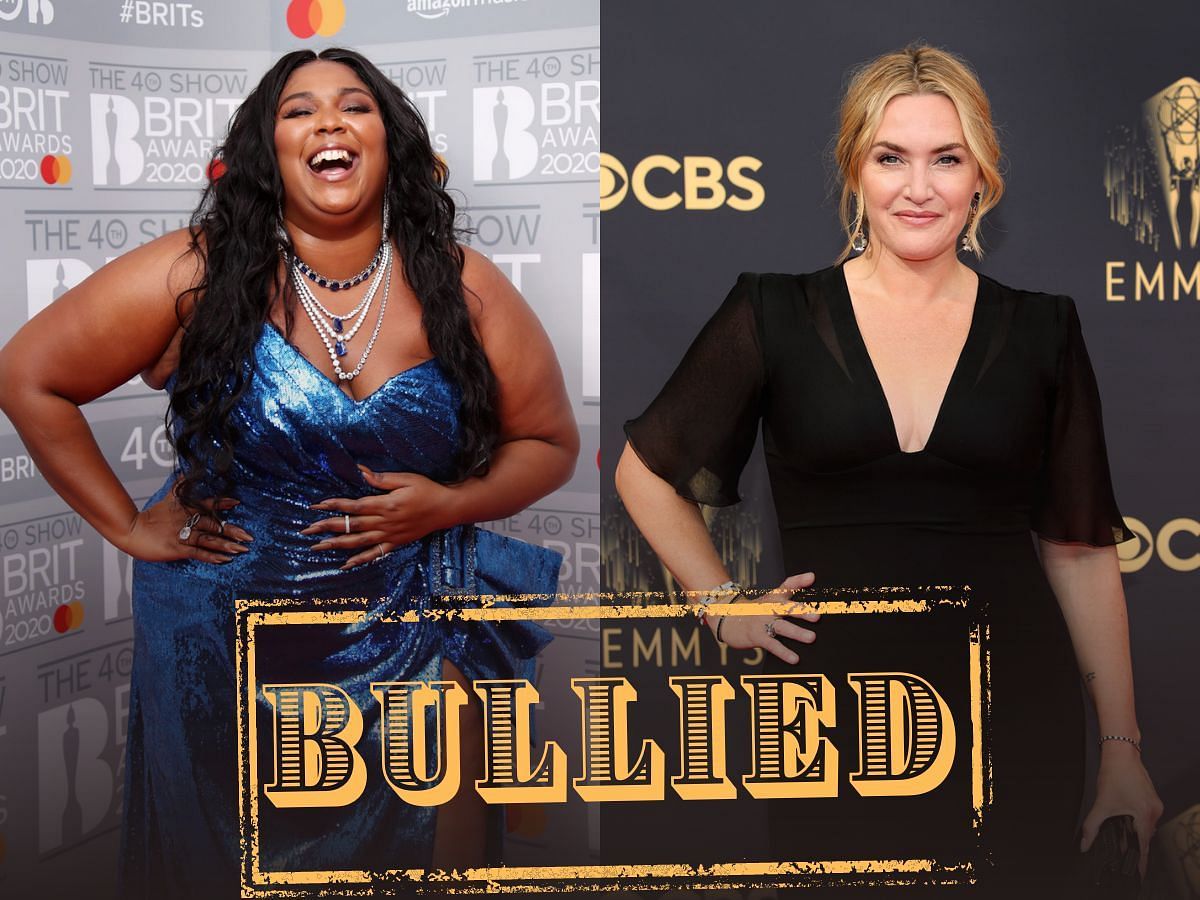
Platforms reward outrage and virality. A cruel meme mocking Adele’s weight loss journey racked up millions of views, while a doctored image of Lady Gaga “looking old” trended for days. The algorithms don’t care about truth—they care about engagement.
And the anonymity of online spaces emboldens the worst behavior. “It’s not just strangers,” said actor Jameela Jamil, a vocal advocate against body shaming. “It’s fans—people who say they ‘love’ you, then turn around and tell you to ‘lose 20 pounds’ or ‘fix your nose.’”
Jamil launched the “I Weigh” movement to combat this, urging people to define themselves by more than their appearance. But even she isn’t immune. “I’ve been called ‘fat,’ ‘ugly,’ ‘worthless’—all in one thread,” she said. “And I’m someone literally dedicating my life to fighting this.”
The Industry’s Role: Studios, Casting, and Internalized Shame
The problem isn’t just external. Hollywood itself perpetuates toxic beauty standards. Casting decisions often favor actors who fit narrow physical ideals, while stars are pressured into extreme diets, surgeries, or treatments to stay “camera-ready.”
Gabourey Sidibe, praised for her powerful performance in Precious, has spoken openly about how agents and executives once told her she’d “never work again” if she didn’t lose weight. “They said, ‘No one wants to see a fat Black woman on screen,’” she recalled. “And I believed them—for years.”
Even after achieving success, the internalized shame lingers. “I still catch myself thinking, ‘Am I too big for this role? Too dark? Too loud?’” Sidibe admitted.
The industry’s complicity creates a feedback loop: studios promote unrealistic images, fans mimic those standards, and anyone who diverges becomes a target. And when studios stay silent on trolling, they signal tacit approval.
The Psychological Toll: Anxiety, Depression, and Withdrawal
The emotional impact of relentless trolling is profound. Studies show that public figures exposed to online harassment report higher rates of anxiety, depression, and suicidal ideation.
Demi Lovato has been candid about how body-shaming contributed to their eating disorder and mental breakdown. “Every time someone called me ‘fat’ or ‘disgusting,’ it confirmed what I already believed about myself,” they said. “It wasn’t just words. It was weapons.”
Some stars retreat from public life. Amanda Bynes, once a rising star, faced years of invasive trolling and media distortion that coincided with her mental health crisis. While her struggles are complex, the constant public mockery didn’t help—they fueled the fire.
Even those with strong support systems aren’t immune. “You can have therapy, love, success—but when millions of people tell you you’re ugly every day, it gets in your head,” said actor and activist Elliot Page. “It erodes you slowly.”
Fighting Back: Lawsuits, Blocklists, and Public Reckonings Some celebrities are pushing back—legally and publicly.
In recent years, stars like Vanessa Hudgens and Millie Bobby Brown have filed lawsuits against paparazzi and social media accounts for spreading manipulated images and defamatory content. “We’re not just faces,” Hudgens said. “We’re people. And we have the right to exist without being torn apart.”
Others take a different approach. Cardi B famously blocked thousands of trolls and encourages her fans to do the same. “If you’re not adding to my life, you’re blocked,” she said. “I don’t care if you’re a ‘fan.’ Hate has no seat at my table.”
Platforms are slowly responding. Instagram has introduced AI tools to filter abusive comments, and TikTok now limits the spread of harmful memes. But enforcement remains inconsistent, and the damage is often already done by the time content is flagged.
Redefining Beauty: A-Listers Leading the Cultural Shift
Despite the pain, many stars are using their platforms to challenge the norms that enable trolling.
Florence Pugh has openly criticized how female actors are dissected for their bodies. After being body-shamed for her appearance in Don’t Worry Darling, she hit back: “I’m not here to be your fantasy. I’m here to act.”
Similarly, Jonah Hill has rejected the expectation that actors must be thin to be taken seriously. “I made peace with the fact that I’ll never be the ‘hot, lean guy,’” he said. “And I’m proud of the work I do, regardless of my body.”
These voices are shifting the conversation—from one of shame to one of agency. They’re reminding the world that beauty is diverse, that health isn’t size, and that no one—famous or not—should be bullied for how they look.
The Path Forward: Accountability, Empathy, and Change
The culture of Hollywood trolling won’t disappear overnight. But change is possible.
Fans must stop treating celebrities as objects. Media outlets need to stop fueling body-shaming narratives. Platforms must enforce anti-harassment policies consistently. And the industry itself must stop tying casting and value to appearance.
Most importantly, empathy must replace cruelty. Behind every headline, every paparazzi shot, every trending meme, is a human being—one who feels pain, insecurity, and fear just like anyone else.
As Lizzo put it: “If you wouldn’t say it to your mom, your sister, your best friend—don’t say it to me. I’m someone’s daughter. I’m someone’s friend. I’m human.”
The next time you see a celebrity mocked online, ask yourself: What kind of culture are we building? And what message does it send to the next generation?
What You Can Do:
- Think before you share: Viral memes often dehumanize real people.
- Support stars who speak out: Amplify their messages of self-worth.
- Report abusive content: Use platform tools to flag hate.
- Challenge body-shaming: Call it out, even in casual conversations.
- Redefine your own standards: Beauty isn’t a single mold—it’s infinite.
FAQ
Why are celebrities so heavily criticized for their looks? Celebrities are seen as public figures, and their appearance is often commodified. Combined with unrealistic beauty standards and social media anonymity, this creates a perfect storm for body-shaming.
Do celebrities ever respond to trolls? Some do—publicly or legally. Many choose to block, ignore, or use their platform to advocate against cyberbullying.
Can online trolling lead to mental health issues? Yes. Studies show that sustained online harassment can lead to anxiety, depression, eating disorders, and in severe cases, suicidal thoughts.
Are men trolled as much as women? Women are targeted more frequently and harshly, especially regarding weight and aging. But men face significant trolling too, often centered on masculinity and physique.
How can fans support celebrities facing appearance-based attacks? Avoid sharing or engaging with body-shaming content, report abuse, and promote messages of body positivity and self-acceptance.
Is Hollywood doing enough to protect stars from trolling? Not yet. While some studios support mental health initiatives, systemic change—especially in casting and media portrayal—is still needed.
Can legal action stop celebrity trolling? In some cases. Defamation lawsuits and privacy laws can hold perpetrators accountable, but enforcement online remains a major challenge.
FAQ
What should you look for in Hollywood Trolling Horror: A-Listers Reveal Relentless Bullying Over Loo? Focus on relevance, practical value, and how well the solution matches real user intent.
Is Hollywood Trolling Horror: A-Listers Reveal Relentless Bullying Over Loo suitable for beginners? That depends on the workflow, but a clear step-by-step approach usually makes it easier to start.
How do you compare options around Hollywood Trolling Horror: A-Listers Reveal Relentless Bullying Over Loo? Compare features, trust signals, limitations, pricing, and ease of implementation.
What mistakes should you avoid? Avoid generic choices, weak validation, and decisions based only on marketing claims.
What is the next best step? Shortlist the most relevant options, validate them quickly, and refine from real-world results.