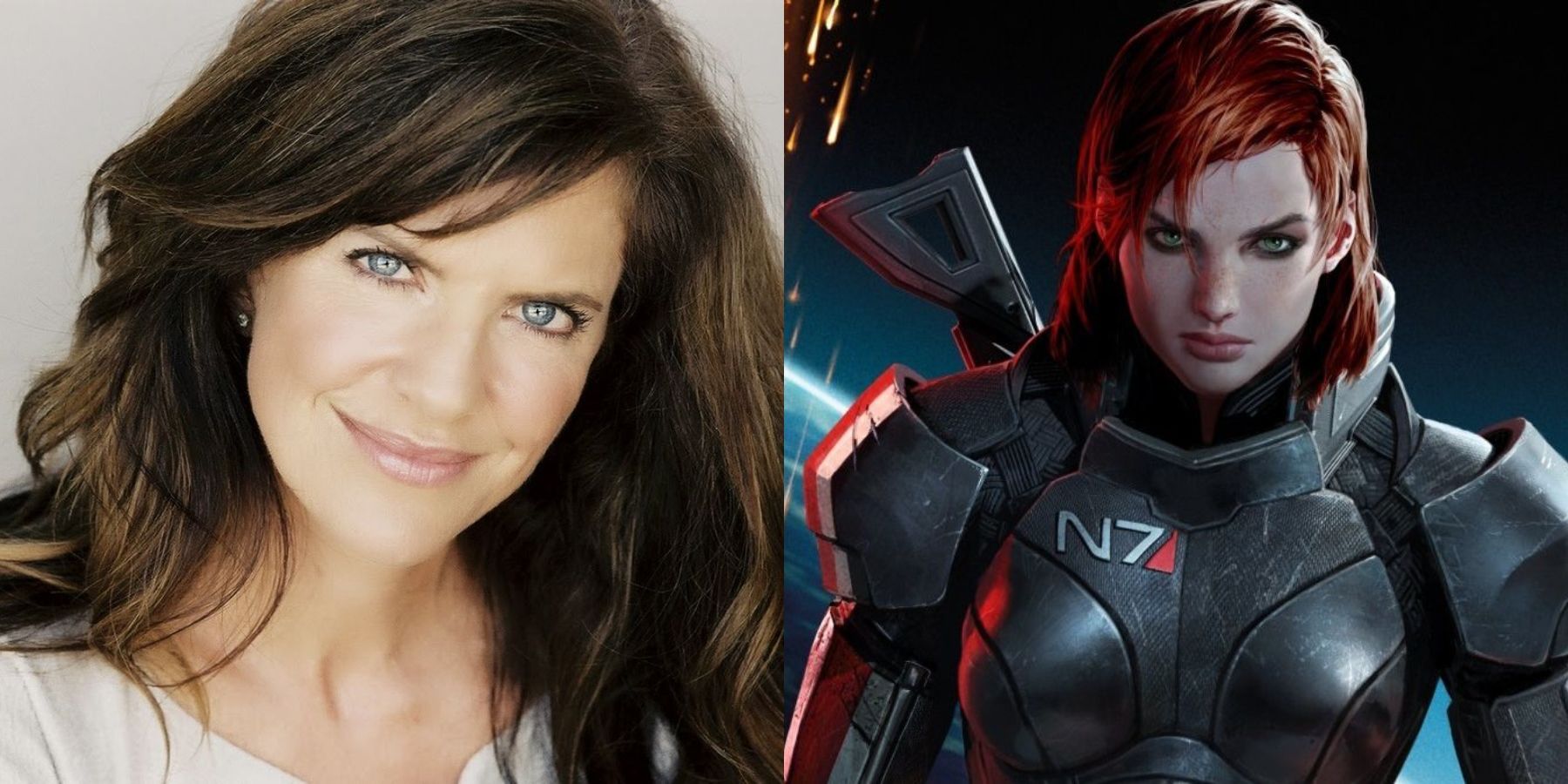
The return of a divisive Mass Effect character has reignited fan debates — not just among players, but within the cast itself. One actor, whose performance sparked years of heated discourse, has now spoken candidly about reprising their role. Their comments cut to the heart of what makes legacy franchises so emotionally charged: the tension between creative vision, player agency, and the weight of narrative consequences.
This isn’t just about whether a character lives or dies. It’s about how performers reconcile their artistic choices with public perception — and what it means when a franchise reconsiders a decision many thought was final.
The Character That Split the Fandom
Few figures in the Mass Effect universe have drawn as much ire — or unexpected sympathy — as Kai Leng. Introduced in Mass Effect 3 and later featured in the Mass Effect: Andromeda prequel comics, Leng was intended as a human antagonist aligned with Cerberus, meant to challenge Commander Shepard on both ideological and physical levels.
But fans rejected him. Hard.
Critics called him a poorly written, overpowered foil — a "ninja space terrorist" with more screen time than emotional depth. His combat sequences, particularly the infamous hallway fight where he outmaneuvers Shepard, became memes of frustration. Some fans argued he was a narrative shortcut, a way to make Cerberus feel threatening without leveraging established villains.
And yet, rumors persist that Leng may return in upcoming Mass Effect projects. When asked directly, actor Travis Fimmel — who voiced and modeled the character — broke years of silence in a 2023 interview with Power Up Show.
“I didn’t expect people to hate him that much,” Fimmel admitted. “But look, I get it. He’s arrogant, he’s fast, he kicks Shepard’s ass — not exactly the kind of guy you want showing up in your save file.”
Fimmel clarified he wasn’t contracted for any new recordings, but added: “If Bioware called? I’d do it. Not because I think he’s misunderstood — I think he’s kind of a prick — but because there’s more story there.”
That admission reignited speculation: Could Bioware be re-evaluating not just Leng’s fate, but his function?
Why Actors Care About Fan Backlash
It’s easy to assume voice actors simply show up, read lines, and leave. But for performers tied to iconic roles — especially in sprawling RPGs where tone and delivery shape character perception — the relationship with the audience is intimate.
Consider the case of Carrie-Anne Moss, who played EDI in later entries. Though EDI evolved into a fan favorite, Moss has spoken about the challenge of humanizing an AI through voice alone. She monitored forums to understand how players perceived EDI’s emotional growth — a rare level of engagement from talent in the medium.
Fimmel’s openness to returning, despite the toxicity surrounding Leng, reflects a broader shift: actors now recognize their digital roles live indefinitely in player memories, mods, and discourse.
“People forget these aren’t just cutscenes,” Fimmel said. “They’re decisions players feel. When you mess with that, you’re not just changing a story — you’re messing with someone’s three-year journey.”
This emotional ownership explains why recasting or reviving controversial characters is so risky. It’s not just about continuity — it’s about violating or validating years of player sentiment.
Creative Control vs. Fan Expectations
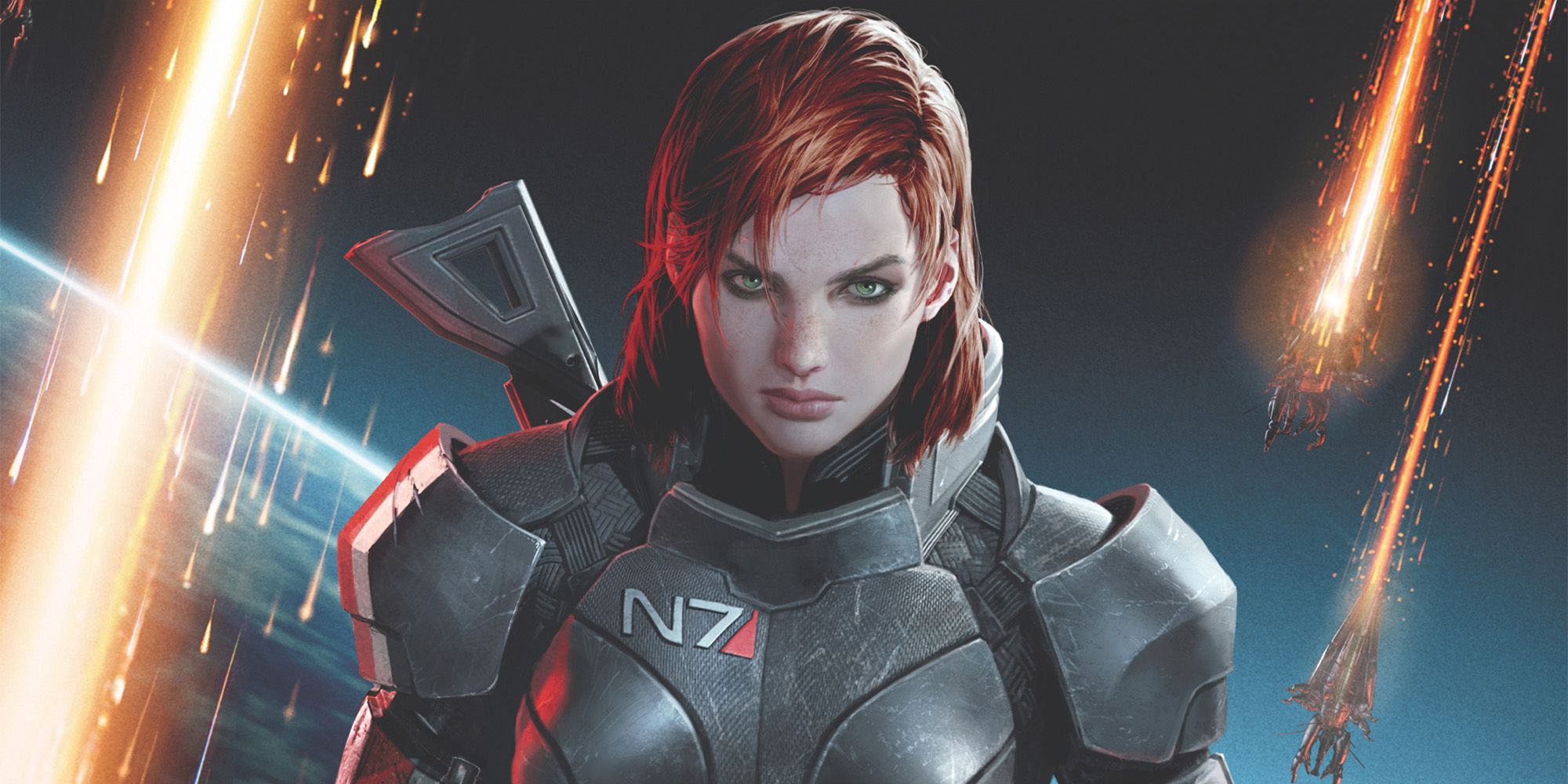
Bioware has long walked a tightrope between creative autonomy and fan service. The original trilogy ended with a trilogy of endings so divisive they prompted a free Extended Cut DLC — a rare corporate concession to player outcry.
Reviving a character like Leng risks repeating that cycle. But Fimmel’s comments suggest Bioware might be considering a recontextualization, not a redemption.
“What if he’s not the bad guy this time?” Fimmel mused. “What if he’s broken, or working undercover? I always thought he was loyal to Cerberus not because he believed in it, but because he had nothing else. That’s not evil — that’s sad.”
That kind of nuance was largely absent in Leng’s original portrayal. His motivations were vague, his presence often felt like a gameplay obstacle rather than a narrative one. But giving him layers now — especially through the actor’s interpretive lens — could transform him from a punching bag into a tragic figure.
Still, there’s danger in retrofitting hate. Gamers are quick to accuse studios of “listening” only when it serves marketing, not storytelling. If Leng returns without meaningful growth, fans won’t just dismiss him — they’ll see it as confirmation that Bioware doesn’t understand its own lore.
What a Return Would Mean for the Franchise
The next Mass Effect title is rumored to be set decades after the original trilogy, possibly following a new protagonist in a galaxy reshaped by the Crucible’s activation. In that context, bringing back any pre-Andromeda character is a narrative landmine.
But it’s also an opportunity.
Characters like Leng — flawed, morally ambiguous, and physically resilient — could serve as bridges between eras. Imagine him as a rogue operative in a fractured Milky Way, one of the few humans with pre-Reaper War combat experience. Or a broken veteran, stripped of ideology, surviving in the shadows.
Fimmel’s willingness to explore that complexity suggests the performance would differ markedly from the original:
- Tone shift: Less smug arrogance, more weariness.
- Physicality: Slower, more deliberate — the body catching up to years of abuse.
- Moral ambiguity: Not clearly aligned with any faction, forcing players to decide his worth.
This isn’t unprecedented. Look at The Last of Us Part II, where characters like Abby provoked intense backlash at launch — only to earn empathy through narrative depth. Actor Laura Bailey faced real-world harassment over her role, yet stood by the writing, arguing that discomfort was the point.
Fimmel appears to take a similar stance: controversy isn’t always a failure. Sometimes, it’s a sign a character touched a nerve.
Other Actors on Reprising Divisive Roles
Leng isn’t the only Mass Effect figure fans love to hate. Several other performers have addressed reprising characters marked by criticism:
| Character | Actor | Notable Comment |
|---|---|---|
| Conrad Verner | Steve Byers | “He’s cringe, but he’s our cringe. I’d play him again in a heartbeat.” |
| James Vega | Freddy Prinze Jr. | “I know some fans wanted more depth. If we do it again, let’s give him some real stakes.” |
| Admiral Hackett | Keith David | “Short scenes, big impact. I’d come back — but only if it matters.” |
| Javik | Ike Amadi | “Players either worshipped or hated the Prothean. That tension? That’s good drama.” |
These responses reveal a pattern: actors are often more forgiving of flawed writing than fans are. They see potential where players see frustration.
But they also acknowledge their roles exist in service to the player’s journey. As Amadi put it: “Javik was never supposed to be likable. He was supposed to challenge you. If you walked away thinking, ‘That guy’s awful,’ mission accomplished.”

Could the same logic apply to Leng?
The Risk of Redemption
Here’s the core issue: bringing back a hated character risks alienating the very fans who carried the franchise through its quiet years. Mass Effect’s longevity isn’t just due to Bioware’s writing — it’s due to obsessive community engagement: lore breakdowns, fan fiction, modding, cosplay.
If Leng returns without narrative justification — or worse, as a forced ally — it could feel like betrayal.
But redemption done right can be powerful. Consider Red Dead Redemption 2’s Dutch van der Linde — a charismatic leader who collapses into paranoia and cruelty. Fans don’t excuse his actions, but they understand his arc. The performance (by Ben Bridgers) makes the fall tragic, not gratuitous.
For Leng to work on that level, three things must happen:
- Acknowledge the past: The game must recognize how he wronged Shepard and others.
- Show change, don’t tell it: No monologues about “seeing the truth.” Let actions drive transformation.
- Make the player decide: Is he redeemable? Let dialogue and consequences answer that — not the script.
Fimmel’s comments suggest he understands this: “I don’t want him to be forgiven. I want him to earn it. Or fail trying.”
That’s the kind of mindset that turns controversy into catharsis.
Final Word: Let the Actor Lead
The conversation around Leng’s return isn’t really about one character. It’s about how franchises evolve when their stories outlive initial intentions.
Travis Fimmel’s openness — to criticism, to reinterpretation, to return — sets a precedent. Actors aren’t just custodians of roles; they’re collaborators in legacy-building. When they engage thoughtfully with fan sentiment, they help steer narratives toward maturity, not just nostalgia.
If Bioware moves forward with Leng, they should listen not just to forums and focus groups — but to the actor who, years later, still sees untapped potential in a character many wish would stay buried.
Because sometimes, the most controversial figures aren’t the ones who did the most damage. They’re the ones who force us to ask: Can people change? Even the ones we hate?
Bring him back — but only if you’re ready to answer that question honestly.
Frequently Asked Questions
Why do fans hate Kai Leng so much? Fans criticized Kai Leng for being overpowered, poorly motivated, and inserted into key moments without emotional buildup. His combat victory over Shepard felt unfair, making him a symbol of bad game design.
Has Travis Fimmel confirmed he’s returning as Kai Leng? No. Fimmel stated he hasn’t been contacted for new recordings but expressed willingness to reprise the role if asked.
Could Kai Leng be redeemed in a future game? Possible, but risky. Redemption would require deep character development, acknowledgment of past actions, and player agency in determining his fate.
Did Bioware respond to the controversy around Leng? Bioware has never officially addressed Leng’s reception, though narrative choices in later games avoided similar antagonist designs.
Is Kai Leng canonically alive? His fate is unresolved. He survives Mass Effect 3, and appearances in comics suggest he remained active post-war, but his current status is unconfirmed.
How do other Mass Effect actors feel about divisive characters? Many, like Ike Amadi (Javik) and Freddy Prinze Jr. (Vega), embrace the complexity of their roles, seeing criticism as engagement rather than failure.
Would bringing back Leng hurt the new Mass Effect game? Only if done poorly. A thoughtful, player-driven return could add depth — but a forced or unearned comeback would likely backfire.
FAQ
What should you look for in Mass Effect Actor Reacts to Controversial Character’s Return? Focus on relevance, practical value, and how well the solution matches real user intent.
Is Mass Effect Actor Reacts to Controversial Character’s Return suitable for beginners? That depends on the workflow, but a clear step-by-step approach usually makes it easier to start.
How do you compare options around Mass Effect Actor Reacts to Controversial Character’s Return? Compare features, trust signals, limitations, pricing, and ease of implementation.
What mistakes should you avoid? Avoid generic choices, weak validation, and decisions based only on marketing claims.
What is the next best step? Shortlist the most relevant options, validate them quickly, and refine from real-world results.