Gunfire at a high-profile event is the kind of moment that rewires memory. For actor Zachary Levi, that moment came at the White House Correspondents’ Dinner (WHCD), an evening meant for glitz, speeches, and political satire—until it wasn’t. Levi, best known for his roles in Chuck and Shazam!, found himself in the middle of sudden, jarring violence when shots rang out near the ballroom. What followed was a rapid descent into confusion, fear, and instinctive response. His firsthand account offers a rare glimpse into how chaos unfolds behind closed doors—and how public figures react when safety evaporates.
The Night Everything Changed
The WHCD is traditionally a blend of media, entertainment, and politics. Red carpets, cocktail dresses, and celebrities mingling with journalists and lawmakers set the tone. That year, Zachary Levi attended as a guest, seated near the back of the main ballroom. The dinner was in full swing—speeches winding down, drinks flowing—when the first loud noises were heard.
“I thought it was fireworks,” Levi later told a news outlet in a taped interview. “Then I heard the second pop, and the third. That’s when people started reacting differently. Someone ducked. A woman screamed.”
Levi’s recollection aligns with eyewitness reports: initial disbelief, then dawning horror. The sound wasn’t isolated. It came in bursts. Security reacted within seconds, but in those first crucial moments, no one knew the source. Was it a malfunction? A prank? An attack?
Inside the Ballroom: Panic and Protocol When gunfire occurs in a confined space like a ballroom, human behavior follows predictable patterns—only some of which are useful. Levi described a split-second decision-making process that many never have to face.
“I saw people running toward exits, but also piling up near doors,” he said. “One guy was trying to film it. Another was just frozen in his seat.”
His description highlights a common flaw in mass gathering safety: evacuation plans exist, but public awareness of them does not. The ballroom, ornate and expansive, had multiple exits, but few guests knew their locations. Panic narrowed focus. People followed the crowd, not the protocol.
Levi stayed low and moved laterally, avoiding central aisles. “I remembered something from a safety briefing on a film set—don’t run straight for the door if it’s bottlenecked. Find cover, assess, then move.”
He eventually exited through a service corridor, guided by a staffer in a black earpiece. The corridor led to a secure holding area where guests were gathered and checked.
Levi’s Background: Preparedness in Unexpected Ways
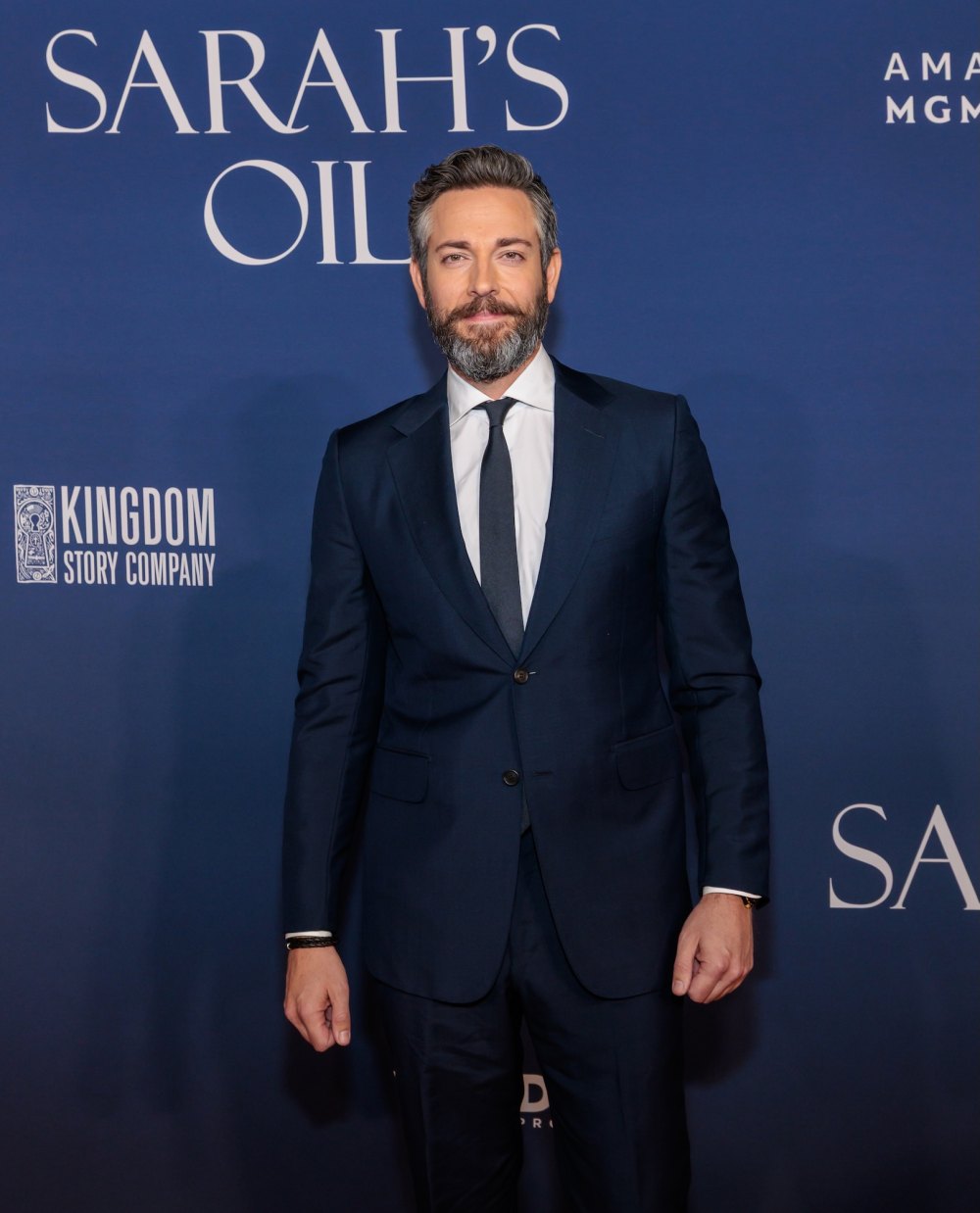
What set Levi apart wasn’t just awareness—he had training. Before becoming a household name, he studied theater and stage combat. Later, as an action lead in superhero films, he underwent tactical movement and threat assessment training.
“That film set prep saved me,” he admitted. “Not because I dodged bullets like Shazam, but because I stayed calm. I recognized the sound. I knew not to freeze.”
His experience underscores a broader point: situational awareness is a skill, not just instinct. Most guests at events like the WHCD assume security handles everything. But when seconds count, individual readiness matters.
Common mistakes Levi observed: - Filming instead of fleeing - Hesitating at exits - Assuming the threat is a prank - Trying to retrieve belongings
“These are all normal reactions,” he said. “But in a real threat, they can cost you.”
The Aftermath: From Survivor to Advocate
In the days following the incident, Levi didn’t retreat. He gave statements to law enforcement, cooperated with investigations, and later spoke publicly about the psychological toll.
“It’s not just the moment,” he said. “It’s the nights after. The sounds. The what-ifs.”
He began working with organizations focused on public safety at large events, advocating for better guest education and visible emergency signage. “You don’t need a military background to know where the exits are,” he argued during a Capitol Hill roundtable.
His involvement sparked discussion: should high-profile events mandate brief safety orientations? Should venues conduct unobtrusive drills? While no policy changes have been universally adopted, the conversation is now part of event planning in Washington.
Media Coverage and Misinformation
In the hours after the shooting, media coverage surged—often with incomplete or false information. Early reports claimed the gunfire originated inside the ballroom. Others suggested a political assassination attempt.
Levi pushed back. “It didn’t come from the room. It was outside, near the east terrace. We didn’t know that until later.”
His clarification helped correct the narrative. But it also revealed how quickly misinformation spreads when celebrities speak from experience.
Journalists, eager for firsthand accounts, often amplify emotional testimony without verifying details. Levi’s credibility protected him from backlash, but lesser-known witnesses were misquoted or misrepresented.
Key lessons for public figures: - Speak only to verified facts - Avoid speculation, even in interviews - Correct errors when possible - Understand the weight of your platform
Security Gaps Exposed
The incident forced a review of WHCD security protocols. While the Secret Service and local law enforcement responded quickly, gaps were evident.
- No metal detectors at guest entrances
- Limited active shooter training for civilian staff
- Inconsistent communication systems between security teams
Levi noted one particular lapse: “The staff didn’t have a unified signal. Some were yelling ‘Get down!’ Others were saying ‘Move now!’ That confusion cost time.”
Experts agree. In active threat situations, standardized verbal cues and visual signals reduce hesitation. The WHCD now uses discreet alerts and pre-briefs select attendees—though not the general guest list.
Future improvements being considered: - Guest safety cards (like flight instructions) - Covert alert systems via mobile apps - Pre-event threat awareness videos
None are mandatory yet. But the conversation is active.
Celebrity as Witness: A Double-Edged Role
Levi’s account gained traction not just because it was accurate—but because he’s famous. His ability to describe the scene in vivid, relatable terms made the event feel real to millions.
But celebrity testimony has limits. It can overshadow other voices, especially those without platforms. Some survivors felt erased when headlines focused on Levi and a few other stars.
“There were nurses, teachers, journalists in that room,” one attendee told a local paper. “They lived it too. But no one asked them.”
Still, Levi used his visibility to amplify others. He shared space in interviews, deferred to experts, and credited frontline staff. “The heroes weren’t the actors,” he said. “They were the people in uniforms who moved first.”
What Can the Public Learn?
Not every event carries the risk of violence. But preparedness isn’t just for war zones or disaster films.
Levi’s experience offers practical takeaways: - Know two ways out of any room you enter - Identify cover (tables, pillars, walls) when seated - Don’t assume security handles everything - Stay aware—put the phone down during speeches - Trust your instincts. If something feels wrong, move
He also stresses mental recovery. “People expect you to be ‘fine’ afterward. But trauma doesn’t work like that. I still check exits. I flinch at loud noises. That’s okay.”
Closing: Awareness Over Fear
Zachary Levi didn’t set out to become a witness to violence. But when the moment came, his clarity, training, and honesty helped ground a nation’s understanding of what happened inside that ballroom.
The real lesson isn’t about celebrity. It’s about readiness. About recognizing that danger doesn’t discriminate—and that calm, informed responses save lives.
Next time you walk into a theater, a banquet hall, or a stadium, take three seconds. Find the exits. Note the staff. Be present. Because when chaos comes, it won’t wait for you to be ready.
You don’t need to be an actor to act wisely. You just need to pay attention.
FAQ
What was Zachary Levi doing at the WHCD? He attended as a guest, invited through media and entertainment connections, common at the annual dinner.
Did Zachary Levi see the shooter? No. He heard gunfire and observed reactions but did not see the individual responsible, who was apprehended outside the ballroom.
How did security respond during the incident? Security moved quickly, but initial confusion slowed coordination. The shooter was neutralized within minutes.
Has the WHCD changed security since the shooting? Yes. Enhanced screening, staff training, and communication systems have been implemented, though full details remain confidential.
Did Zachary Levi suffer injuries? No physical injuries were reported. He has spoken about emotional and psychological effects in the aftermath.
Is Zachary Levi involved in advocacy work now? Yes. He consults with public safety organizations on event security and mental health support for survivors.
Were other celebrities present during the incident? Yes. Several actors, journalists, and public figures were in attendance, though Levi was one of the few to provide a detailed public account.
FAQ
What should you look for in Zachary Levi Recalls Chaos During WHCD Shooting? Focus on relevance, practical value, and how well the solution matches real user intent.
Is Zachary Levi Recalls Chaos During WHCD Shooting suitable for beginners? That depends on the workflow, but a clear step-by-step approach usually makes it easier to start.
How do you compare options around Zachary Levi Recalls Chaos During WHCD Shooting? Compare features, trust signals, limitations, pricing, and ease of implementation.
What mistakes should you avoid? Avoid generic choices, weak validation, and decisions based only on marketing claims.
What is the next best step? Shortlist the most relevant options, validate them quickly, and refine from real-world results.