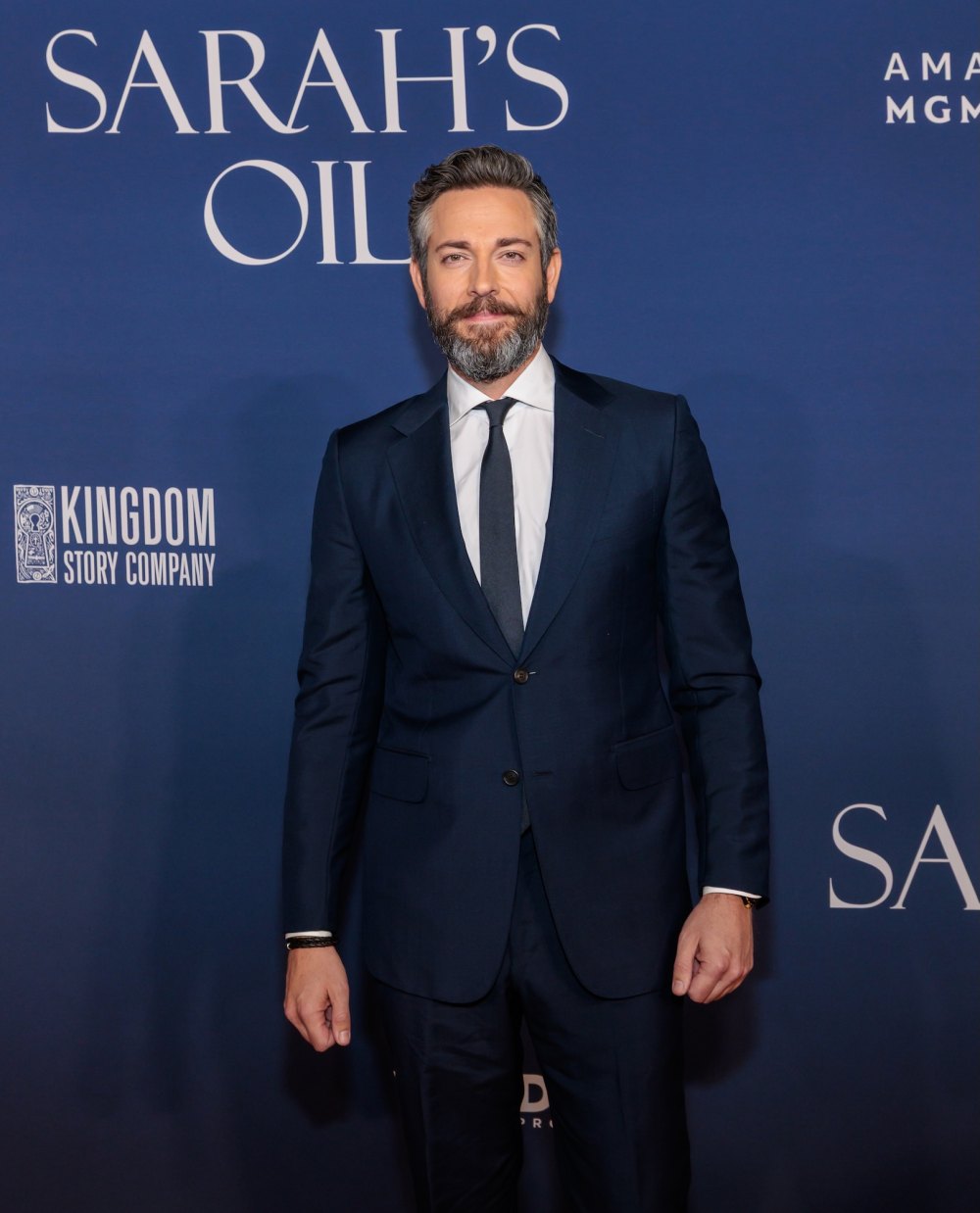
A moment of glamour turned to terror when gunfire erupted near the White House Correspondents’ Dinner (WHCD) at the Washington Hilton. Actor Zachary Levi, known for Shazam! and Chuck, was inside the ballroom when chaos broke out. Unlike staged action sequences, this was real—and Levi didn’t hold back in describing what unfolded.
Eyewitness accounts like his offer more than headlines. They provide texture: the sound of distant pops mistaken for fireworks, the sudden hush that falls over a room full of laughter, the instinct to protect strangers. Levi’s testimony cuts through speculation and delivers a visceral, human perspective on an event that could have spiraled into tragedy.
Inside the Ballroom: A Celebrity’s Real-Time Account
Zachary Levi was seated near the press tables, surrounded by journalists, politicians, and fellow entertainers. The room pulsed with late-night energy—speeches had ended, drinks were flowing, and the tone leaned celebratory. Then, shortly after 10:30 PM, a series of sharp sounds cut through the noise.
“At first, I thought it was part of the entertainment,” Levi admitted in a subsequent interview. “Fireworks? A speaker popping? Something technical. But then people started turning their heads—not toward the stage, but toward the exits.”
He noticed a tightening in the room. A CNN producer stood up abruptly. A waiter froze mid-pour. Then came the first shout: “Get down! Get down!”
Levi didn’t hesitate. He dropped under the table, pulling two others with him—a publicist and a journalist he didn’t know. “You don’t think. You react. It’s fight, flight, or freeze. I guess I went straight to ‘protect.’”
How Close Was the Threat?
Security footage and police reports later confirmed the shots were fired outside the main ballroom, near the hotel’s east service entrance. A dispute between two private security contractors escalated into gunfire. One man was wounded; no fatalities occurred. Still, the proximity was chilling.
The Washington Hilton’s ballroom is massive—over 25,000 square feet—but acoustics amplify sound. The sharp cracks of gunshots traveled through lobbies and hallways, reverberating off marble surfaces. For those inside, there was no way to know the source or scale.
Levi described the silence that followed the initial shots as “deafening.” Conversations stopped. Laughter died. Even the band halted mid-song. “It was like the air got sucked out of the room,” he said. “One second, someone was making a joke about a senator’s tie. The next, we were all wondering if we’d make it out alive.”
Levi’s Response: Calm Amid Crisis
What stands out in Levi’s account isn’t just the fear—it’s the clarity. While some guests reportedly screamed or ran toward exits, Levi stayed low and assessed the situation.
He used his phone to check news alerts, not to film or post. “I wasn’t thinking about content. I was thinking: Is this real? How many shooters? Are we locked in?” He noted that several attendees pulled out phones to livestream, potentially endangering themselves and others by drawing attention.
Levi also observed how staff reacted. Hotel employees, trained in emergency protocol, began guiding people toward interior rooms. “They were calm. Professional. That helped me stay grounded,” he said. “I saw a bellman usher five people into a utility closet and close the door. That’s training. That’s humanity.”
Why Celebrity Eyewitness Accounts Matter
In an age of misinformation, first-person testimony from trusted public figures carries weight. Zachary Levi isn’t a politician or pundit—he’s a storyteller with a platform. When he speaks about fear, confusion, and resilience, audiences listen differently.
His account avoided speculation. He didn’t name suspects or assign motives. Instead, he focused on sensory details—what he heard, felt, and did. That authenticity resonates.
Compare his response to viral social media clips from the night: shaky footage, panicked commentary, unverified claims. Levi’s version offered context without chaos. It reminded the public that behind every headline is a room full of people, each with their own unscripted reaction.
Security at High-Profile Events: Gaps and Warnings
The WHCD draws A-listers, cabinet members, and foreign correspondents. Yet, the shooting exposed vulnerabilities.
Despite metal detectors at main entrances, the altercation occurred in a staff-access zone. The two individuals involved were off-duty security personnel with legal firearms—no illegal weapons were used. But the presence of guns in a high-density area during a major event raised questions.
Levi pointed to a broader issue: “We’ve hardened targets, but not all access points. We protect the stage, but what about the back hallways? The loading docks?” He compared it to movie sets: “On Shazam!, we have safety officers on every floor. Why don’t we treat real-life events the same?”
Event planners often focus on guest experience—catering, seating, entertainment—but crisis response can lag. Levi’s experience underscores the need for:
- Full-staff emergency training (not just security)
- Clear communication channels during lockdowns
- Audible public address alerts (many attendees never heard an announcement)
- Simulated drills for high-risk gatherings
Media Coverage vs. On-the-Ground Reality
In the hours after the incident, media coverage varied wildly. Some outlets ran headlines suggesting an active shooter inside the ballroom. Others cited “anonymous sources” claiming multiple gunmen.
Levi pushed back. “There was no shooter in the ballroom. No SWAT breach. No body count. But the fear was real. That doesn’t make it less serious.”
He criticized the rush to publish. “Sensationalism turns trauma into content. I get it—we live in a 24-hour news cycle. But when you say ‘gunfight at WHCD,’ people think assassination attempt. That’s not what happened. And it’s not helpful.”
His stance highlights a growing tension: the public’s right to know versus the responsibility to report accurately. In moments of crisis, speed often overrides precision. Levi’s firsthand account served as a corrective—grounded, measured, and human.
What Can Attendees Learn from Levi’s Experience?
You don’t need to be a celebrity to face danger at a public event. Concerts, conferences, and galas all carry risk. Levi’s actions offer practical lessons:
- Stay aware of exits. Know where you are and how to leave safely.
- Don’t assume safety. Just because it’s a formal event doesn’t mean it’s secure.
- Listen to staff. Hotel workers and event personnel often have emergency training.
- Avoid social media during crises. Posting can distract and expose your location.
- Have a plan. Discuss emergency responses with companions before events.
Levi didn’t claim to be a hero. “I didn’t save anyone. I just tried not to panic.” But in high-stress moments, that’s often enough.
A Wake-Up Call for Event Safety Standards
The WHCD shooting wasn’t a national tragedy, but it was a stark reminder. High-profile events attract attention—including from individuals in crisis. Guns, even legally carried, can become threats when emotions escalate.
Levi has since called for standardized safety briefings at major gatherings. “Five minutes at the start of the night. No one will mind. It could save lives.”
He’s not alone. Security experts have urged event organizers to adopt protocols similar to those in airports or schools: visible security, clear signage, and rapid response teams on standby.
The entertainment industry, where Levi operates, is beginning to act. Studios now conduct threat assessments for premieres. Awards shows rehearse evacuations. But political and press events lag behind.
Closing: From Witness to Advocate
Zachary Levi didn’t plan to be a voice on event safety. But after experiencing fear firsthand, he’s using his platform to push for change.
His account of the WHCD shooting isn’t just a story—it’s a call to action. For better training. For smarter planning. For humility in the face of uncertainty.
If you attend a major event, don’t assume it’s secure. Look around. Ask questions. Be ready.
Because when the noise stops and the panic starts, the difference between chaos and control is preparation.
FAQ
What was Zachary Levi doing at the WHCD? Levi attended as a guest, representing the entertainment industry. He has spoken at previous events about media and mental health.
Were there any fatalities during the shooting? No. One person was injured but survived. The incident involved off-duty security personnel in a dispute.
Did the gunfire happen inside the ballroom? No. Shots were fired near the east service entrance, outside the main event space. Sound carried into the ballroom.
How did Zachary Levi react when he heard the shots? He dropped under a table, shielded others, and stayed low until the situation was under control.
Has the WHCD improved security since the incident? Details are limited, but multiple sources confirm expanded perimeter checks and increased coordination with D.C. police.
Did Levi speak to law enforcement afterward? Yes. He provided a voluntary statement to D.C. Metro Police as part of their investigation.
Is Levi advocating for new event safety laws? Not directly. He supports better training and awareness, but hasn’t endorsed specific legislation.
FAQ
What should you look for in Zachary Levi Reveals Ballroom Chaos During WHCD Shooting? Focus on relevance, practical value, and how well the solution matches real user intent.
Is Zachary Levi Reveals Ballroom Chaos During WHCD Shooting suitable for beginners? That depends on the workflow, but a clear step-by-step approach usually makes it easier to start.
How do you compare options around Zachary Levi Reveals Ballroom Chaos During WHCD Shooting? Compare features, trust signals, limitations, pricing, and ease of implementation.
What mistakes should you avoid? Avoid generic choices, weak validation, and decisions based only on marketing claims.
What is the next best step? Shortlist the most relevant options, validate them quickly, and refine from real-world results.